
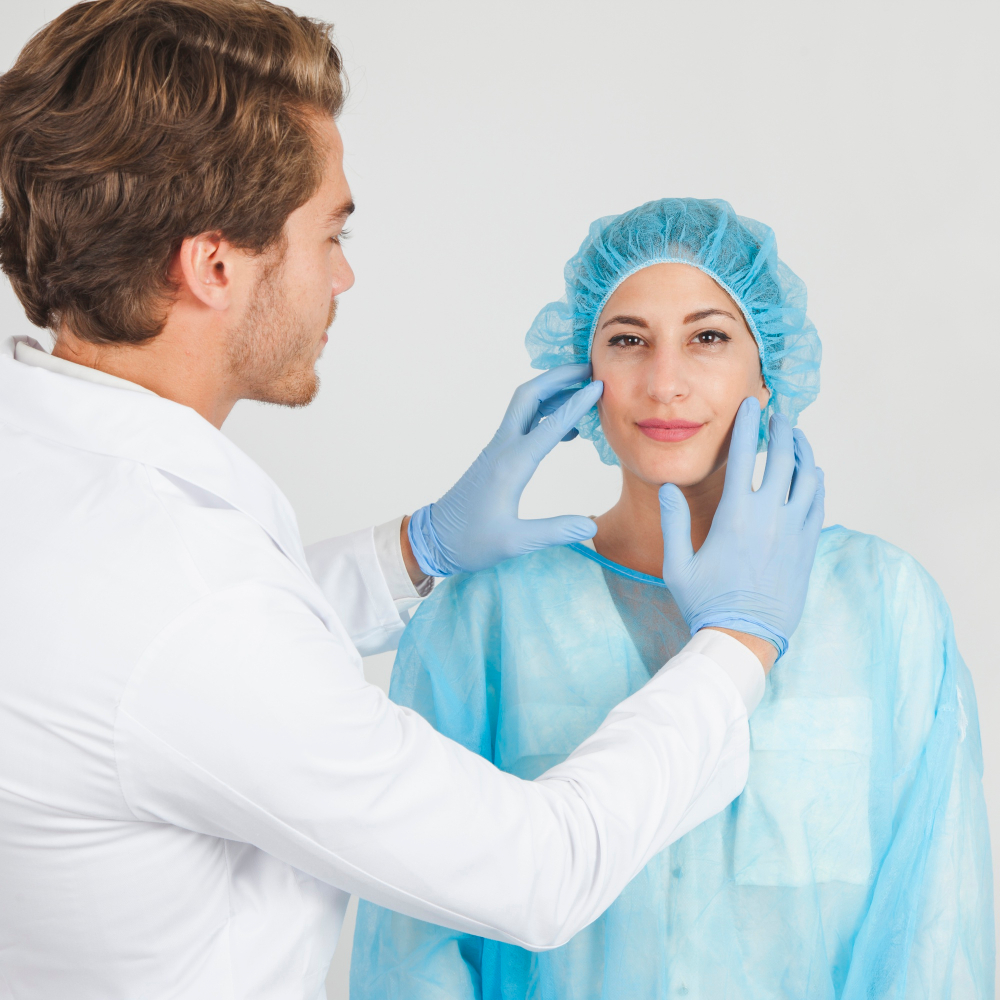
Beyond the Surface: How Stem Cells Are Redefining Anti-Aging
For decades, anti-aging treatments focused primarily on what we could see—wrinkles, sagging skin, and loss of volume. Creams, fillers, and surgical procedures offered improvements, but they largely addressed surface-level concerns. Today, a powerful shift is taking place in aesthetic and regenerative medicine. Stem cell–based therapies are redefining anti-aging by working from within, targeting the root causes of aging rather than just its visible effects.
Understanding Aging at the Cellular Level
Aging is not just about lines and texture changes; it is a biological process driven by cellular damage, inflammation, and reduced regenerative capacity. Over time, our bodies produce fewer healthy cells, and existing cells lose their ability to repair tissues efficiently. This decline affects the skin, joints, hair, and even energy levels.
Stem cells are unique because of their ability to self-renew and transform into specialized cells. More importantly, they release growth factors, cytokines, and signaling molecules that stimulate tissue repair and regeneration. This makes them a powerful tool in modern anti-aging medicine.
How Stem Cells Go Beyond Cosmetic Fixes
Unlike traditional treatments that temporarily enhance appearance, stem cell–based anti-aging therapies aim to rejuvenate tissues at a deeper level. These treatments can help improve skin elasticity, texture, and tone by encouraging collagen production and reducing chronic inflammation. Patients often report more natural-looking results, improved skin quality, and longer-lasting benefits.
Beyond aesthetics, stem cell therapies may support overall vitality. By promoting cellular repair, they can play a role in improving joint comfort, muscle recovery, and even cognitive wellness—factors closely tied to how young we feel, not just how young we look.
A Personalized, Regenerative Approach
One of the most exciting aspects of stem cell anti-aging therapy is personalization. Treatments are increasingly tailored to individual needs, health goals, and biological markers. This patient-centric approach aligns with the future of medicine, where prevention, regeneration, and longevity take center stage.
The Future of Anti-Aging Is Regenerative
Anti-aging is no longer limited to hiding signs of time—it’s about restoring function and resilience at the cellular level. As research advances and clinical applications expand, stem cell therapies are poised to become a cornerstone of anti-aging medicine. By going beyond the surface, they offer a smarter, science-driven path to looking healthier, feeling stronger, and aging with confidence.