
Poor sleep affects nearly every aspect of health, from mood and memory to heart and metabolic function. Two of the most common sleep disorders—sleep apnea and insomnia—are often confused, yet they have very different causes and treatments. Understanding the difference is essential for restoring healthy sleep.
What Is Insomnia?
Insomnia is characterized by difficulty falling asleep, staying asleep, or waking too early. It is often linked to stress, anxiety, hormonal changes, or lifestyle factors. People with insomnia may feel mentally alert but physically exhausted, leading to daytime fatigue and reduced focus.
What Is Sleep Apnea?
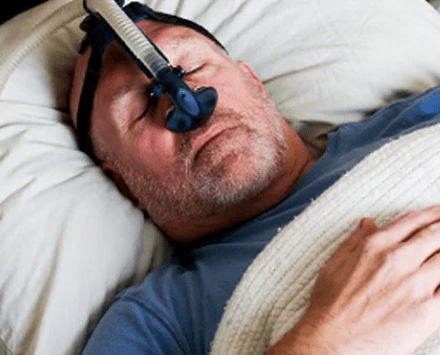
Sleep apnea is a breathing disorder that occurs during sleep. It causes repeated pauses in breathing, leading to oxygen drops and frequent micro-awakenings throughout the night. Many people with sleep apnea are unaware they wake up dozens of times per hour.
Common signs include loud snoring, gasping for air during sleep, morning headaches, and excessive daytime sleepiness.
Why Proper Diagnosis Matters
Although both conditions result in poor sleep, their treatments differ significantly. Insomnia may improve with behavioral therapy, sleep hygiene changes, or targeted medical care. Sleep apnea, however, requires identifying airway obstruction or breathing irregularities—often through a sleep study.
Without treatment, sleep apnea increases the risk of high blood pressure, heart disease, stroke, and diabetes.
Taking Control of Your Sleep Health
Modern sleep medicine offers advanced diagnostic tools and non-invasive treatment options. By identifying the root cause of sleep disruption, patients can finally achieve restorative sleep and improve overall health.
Healthy sleep is not a luxury—it is a medical necessity. Proper evaluation is the first step toward better nights and healthier days.