
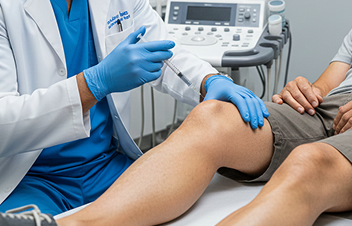
Chronic pain affects millions of people and is one of the most common reasons patients seek medical care. Traditionally, pain management has relied on medications, steroid injections, or surgery—approaches that often focus on masking symptoms rather than repairing the underlying problem. Today, regenerative medicine is transforming how pain is treated by helping the body heal itself.
Understanding the Root Cause of Chronic Pain
Pain is frequently caused by tissue damage, inflammation, or degeneration in joints, tendons, ligaments, and muscles. Conditions such as arthritis, sports injuries, back pain, and tendon disorders worsen over time when the body cannot repair itself effectively. Regenerative medicine addresses this issue by targeting damaged tissues directly.
How Regenerative Treatments Work
Regenerative therapies use biologically active substances to stimulate healing and reduce inflammation. Platelet-rich plasma (PRP), exosomes, stem cell–based approaches, and shockwave therapy work by encouraging tissue repair, improving blood flow, and activating the body’s natural recovery processes.
Instead of temporarily blocking pain signals, these treatments aim to restore function. Many patients experience improved mobility, reduced stiffness, and long-term pain relief without relying on long-term medications or invasive procedures.
Benefits Over Traditional Pain Treatments
One of the biggest advantages of regenerative medicine is its minimally invasive nature. Treatments are typically performed in-office with little to no downtime. This allows patients to return to daily activities faster while avoiding the risks associated with surgery.
Another key benefit is personalization. Regenerative pain management plans are tailored to the patient’s condition, lifestyle, and goals—whether that means returning to sports, improving daily mobility, or avoiding surgery.
A New Standard in Pain Care
Regenerative medicine represents a shift from reactive pain treatment to proactive healing. By addressing pain at the source, patients can move from simply coping with discomfort to regaining strength, movement, and quality of life. For those seeking a modern, science-backed approach to pain relief, regenerative medicine offers renewed hope.